If you manage a hotel, you already juggle a small city’s worth of systems that must behave day and night. Elevators, boilers, point-of-sale, a hundred thermostats set by a hundred moods. The ductwork sits out of sight, so it is easy to forget the metal rivers that carry the air your guests breathe. Ignore them and they repay you with stale corridors, guest complaints about “that smell,” and an energy bill that climbs like a bellhop sprinting stairs during a power outage. Give them attention and they return the favor with quieter fans, lower kWh, and reviews that mention “fresh” without the obligatory air freshener.
Commercial duct cleaning is not glamorous. No ribbon cuttings, no champagne. But for hotels and hospitality venues, it is one of those maintenance lines that pays for itself if you understand how and when to do it.
Why ductwork matters more in hospitality than in an office tower
Hospitality buildings breathe differently. An office fills and empties on a weekday schedule. Hotels run 24 hours with loads that swing by hour, season, and convention calendar. Kitchens go from idle to searing in minutes. Ballrooms see 1,200 people on Saturday and two bored AV techs on Sunday. The HVAC system must chase those swings without whiplash, and the ductwork carries all of it, from make-up air to the scent of a thousand waffles.
Add these pressure points:
- Occupancy churn. Hundreds of unique micro-environments, each with a bathroom fan, door gaps, and guests who like it 68 in August. Diverse sources of particulates. Kitchens, laundry lint, valet fumes at the porte cochere, candles from the wedding expo, floral deliveries, and dust from rolling banquettes. Brand standards and public expectations. Guests do not forgive musty corridors, whispering that the hotel is “tired,” even if the carpet is new.
If your ducts are underserviced, the system compensates with higher static pressure, longer fan runtimes, and temperature imbalances that invite portable heaters and open windows to undo your energy strategy.
What actually accumulates inside hotel ducts
After a couple decades walking roofs and crawling above ceilings, the most common duct contaminants I meet in hotels are not mysterious. They are predictable, stubborn, and often layered.
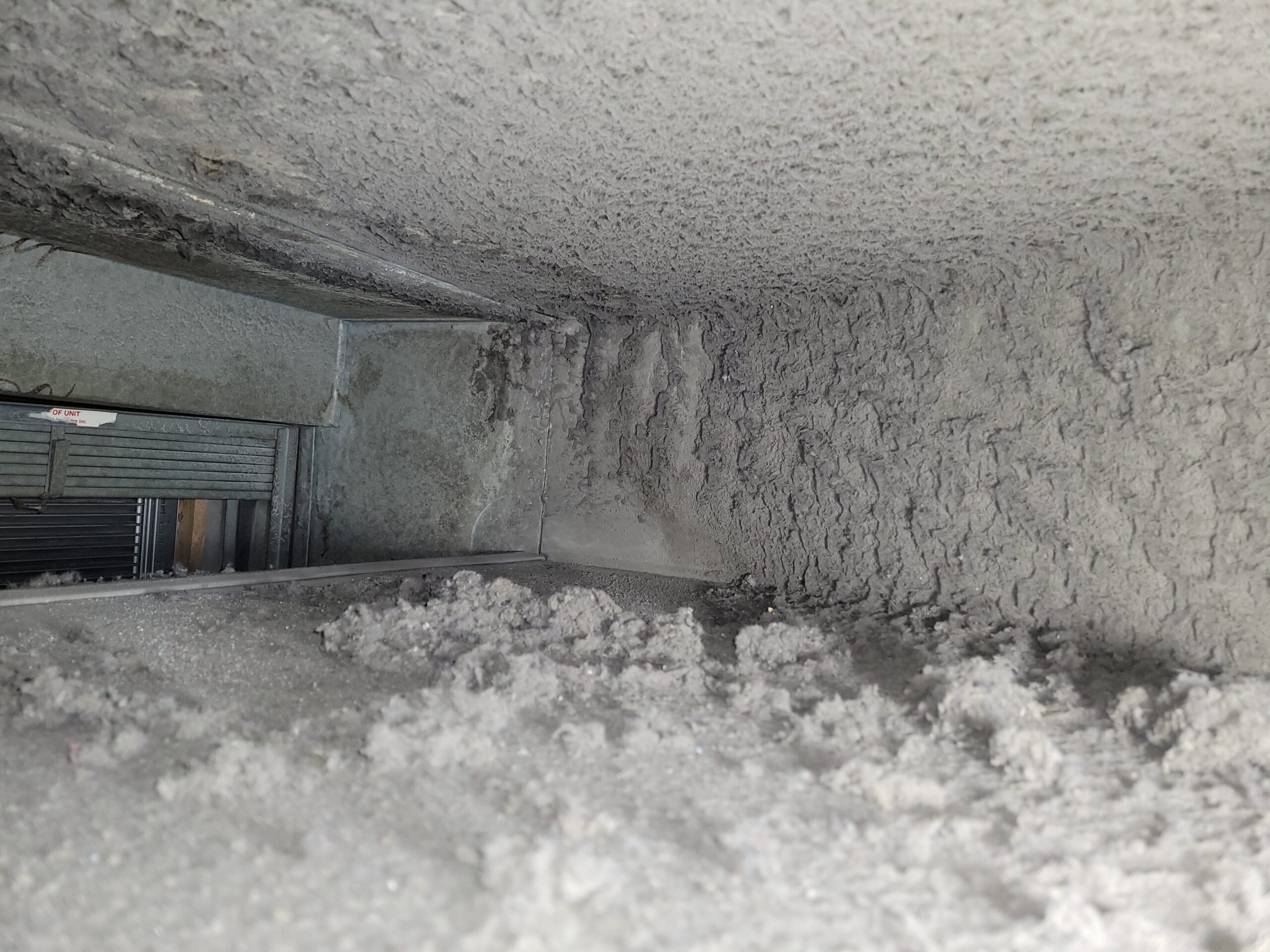
Kitchen supply and exhaust usually hold a film of grease aerosol well beyond the hood if capture is weak or the baffle filters are overdue. Lobby and corridor ducts catch fine dust with a pinch of human skin flakes and fibers from housekeeping’s endless linen cycle. Waterfront properties collect salt-laden particles that behave like sandpaper to coatings. Mountain resorts find pine pollen that adheres like yellow talc. Add the particles that ride HVAC condensate, and you get microbial growth where cold meets warm, especially near cooling coils, drain pans, and turning vanes downstream.
None of this is a moral failing. It is physics and time. But every layer adds friction to airflow. I have measured static pressure increases of 0.2 to 0.4 inches of water column in corridors that looked clean by flashlight. That translates to meaningful energy waste and rooms at the end of the run that never quite hit setpoint.

Guest experience and the problem of “hotel smell”
Most hotels have a house fragrance, even if unintentional. The moment you step out of the elevator the building tells you how well it breathes. “Old carpet” or “humid AC” are not notes anyone wants. Odor is not just molecules, it is storytelling. It suggests cleanliness, maintenance standards, and care.
Guests mention odor more often than managers think, even if they bury it under positives. In one 400-room property we supported, corridor complaints fell by half after duct cleaning and coil restoration, even though we changed no air freshening policy. The ventilation simply carried away what used to linger. The front desk noticed before the engineering team did, because guest comments softened without prompting.
Energy, noise, and lifespan
Clean ducts reduce pressure drop. Reduced pressure drop means fans draw fewer amps to deliver the same CFM. When we measured before-and-after energy on a pair of 15 HP supply fans for a midscale airport hotel, current draw dropped by roughly 9 percent at the same VFD speed. Over a year of constant operation, that paid for a good portion of the commercial duct cleaning invoice.
Noise also calms down. Dirty turning vanes and rough duct interiors create turbulence that hisses at diffusers. Once you remove buildup, sound levels fall a couple decibels, which your ballroom manager notices when the keynote mic feeds back less often at the back wall.
Finally, motors, belts, and bearings work less desperately. Every time an AHU labors to push through grime, you spend lifespan. The savings show up later as fewer midnight fan failures and easier balancing.
Safety and compliance are not optional in kitchens and laundry
Hotel kitchens live under a different code spotlight. While hood and duct grease cleaning follows NFPA 96 and is already on your compliance calendar, the supply side is often the blind spot. Grease aerosol that does not get caught at the hood lands on supply registers and in nearby return paths. If you have ever pulled a restaurant supply register and found a black halo on the wall, you have seen the overspray tale.
Laundry exhaust is another culprit. Modern dryers move so much air that lint migrates into transition ducts and roof caps faster than overworked staff can vacuum screens. I have seen glowing embers lodged in a lint mat at roof terminations. It is not theoretical.
For hospitality, commercial duct cleaning touches more than the grease hood schedule. It includes supply, return, and exhaust paths associated with kitchens, laundry, pool areas, spa rooms, and back-of-house corridors where particles accumulate quietly.
How often should a hotel clean its ducts
There is no one calendar that fits every flag, climate, and building age. Useful ranges help:
- Guestroom corridor supply and return: roughly every 3 to 5 years in temperate inland markets, every 2 to 4 on coasts or in high pollen zones, sooner if renovations stirred dust. Ballrooms and meeting spaces: every 2 to 4 years, aligned with event season downtimes. Back-of-house and service corridors: every 2 to 3 years, because traffic and carts raise dust. Kitchen supply near hoods and makeup air: annually assess, clean as needed. Exhaust follows your hood cleaning cadence by code. Laundry exhaust: inspect quarterly, deep clean annually or after any period of high occupancy that pushed dryers nonstop.
Use measurement, not just memory. A quick static pressure profile and borescope shots at the same access points each year tell you when you are drifting toward the thresholds that justify intervention.
What a proper commercial duct cleaning includes
A hotel is not a small office. Crews must plan around guests, events, and brand standards. A credible scope usually contains these pieces, even if the sequencing flexes:
- Assessment and documentation. Scope starts with AHU counts, duct sizes, access limitations, and materials. Plenum spaces, risers, and fire damper locations go on the map so the team does not discover them with a hole saw. Negative pressure containment. HEPA-filtered vacuums or truck mounts connect to the duct to capture debris as it loosens. Without pressure management you simply relocate dirt into the next guestroom. Mechanical agitation. Brushes, air whips, or robotic tools break loose deposits. Choose tool stiffness for the duct material. Older lined duct requires a gentle touch so you do not peel insulation into the airstream. Coil, drain pan, and cabinet cleaning. This is where energy savings often exceed the duct cleaning itself. Biofilm on coils acts like a sweater. Proper cleaning uses low pressure and the right chemistry to avoid bent fins and after-smells. Access door installation. If you cannot reach it next time, you will not maintain it next time. Proper doors, gasketed and sized for cleaning heads, get labeled for future service. Sealing and patching as found. When crews discover gaps at slip joints, unsealed liner edges, or missing end caps, small fixes have large effect. I have watched a “mystery odor” vanish after a riser crack got sealed where a janitor closet vented into a return.
The work is not just inside the duct. Coordination with housekeeping, banquets, and front office matters as much as the equipment. Night work is common. Quiet tools and floor protection keep brand standards intact.
The evidence you should expect after the job
Before-and-after photos at identical angles matter. So do notes on debris volume removed, coil delta P changes, and static pressure measurements pre and post. A vendor who shrugs and says “looks better” is not selling you engineering, just hope.
I like a simple one-page summary for each air handler: airflow target, measured static before and after, coil pressure drop, fan speed, and any repairs or access doors added. It makes the conversation with finance easier when you point to hard numbers rather than vibes.
A tale of two properties
A coastal 220-room resort had a chronic issue with second-floor humidity. Guests complained that sheets felt damp on high humidity days, even with AC running. The AHUs were not undersized, but coils were fouled and the return riser serving that wing had a film of salt dust that turned sticky every summer. We scheduled cleaning in February, on weeknights, and staged negative air machines with long runs to exterior doors to keep noise down. After coil restoration and duct cleaning, sensible capacity improved enough that the rooms hit setpoint without rabbit-speed fan operation. By July, the guest comments shifted. One maintenance manager joked that the resort smelled like “fresh paint” even though we had not painted a wall.
Across the country, a downtown boutique hotel, older by a century, battled a mystery odor in its lobby bar. Scent diffusers masked it until 11 pm, then it crept back. The culprit was a return plenum that connected to an abandoned shaft with a broken fire damper. Bar odors and a hint of kitchen drift mixed with city grime, then bled into the lobby. Commercial duct cleaning solved part of it, but the real fix came from sealing the damper area and adding an access door for future inspections. Sometimes the duct cleaning crew is the detective that finds problems peripheral to dust. You want them to notice.
Scheduling without losing your mind or your RevPAR
Hotels cannot shut down for maintenance the way office towers do. Crews must thread the needle between full houses and event calendars. There are tricks.
Night shifts are common, but check union rules if you have them. Weekend nights may be worse for noise if you host weddings, though your meeting rooms might be free for staging equipment. Low season blockings of two or three floors at a time allow concentrated work with real containment. If you must work in shoulder season at higher occupancy, prioritize back-of-house paths and mechanical rooms first, then circulate to corridors near unoccupied stacks.
Communication avoids awkwardness. Front desk should know which floors smell faintly like coil cleaner at 3 am, housekeeping should carry extra door wedges so techs are not improvising with trash cans, and security should not mistake negative air ducting for a break-in Advanced Environmental Service attempt.
Preparation that saves money and mess
Here is a five-step checklist we hand GMs before a project begins:
- Confirm access hours and quiet zones, including blackout times near guest corridors. Clear mechanical rooms and remove stored items near AHUs to create safe work zones. Coordinate elevator usage for equipment and stage floor protection routes with engineering. Pre-issue keycards or access approvals for rooftops, mechanical penthouses, and electrical rooms. Notify staff and post discreet guest notices where work may create temporary odor or noise.
Those five items cut friction by half. The rest is choreography.
Methods compared, and what works in hotels
Commercial duct cleaning has a toolkit. Contact vacuuming combined with mechanical brushing is the bread and butter for most hotel supply and return trunks. It is thorough and fast enough to sneak between events. High-pressure air whips add value where dust is loose but layered. Robotic brush systems shine in long horizontal runs where you cannot or should not open additional access points, especially above ballrooms with expensive finishes.
Dry ice blasting has niche uses on heavy industrial deposits, but in hotels it creates noise and vapor that read like smoke to anxious guests. I rarely recommend it unless we are in a closed mechanical space far from public areas.
Choose the lightest method that removes the most material without shredding liner or disturbing fireproofing. If you are not sure, ask for a pilot section. Make the vendor prove their method on a 20 foot run, then measure post-clean static and take photos. No one argues with a clean, documented sample.
What it costs and where the ROI hides
Pricing varies with access, height, contamination level, and market. Broadly, expect corridor and guestroom duct cleaning in the range of a few dollars per linear foot to the lower teens per linear foot for complex access or lined duct that needs kid gloves. Full coil restoration can be a separate line item. Laundry exhausts also vary widely because roof access and safety controls add labor.
Where the payback sits:
- Energy. Even a 5 to 10 percent fan energy reduction plus lower chiller or boiler load from restored coil heat transfer begins to move the needle. In properties with round-the-clock AHUs, that is real money. Comfort calls. Engineering loses fewer hours on temperature complaints, which sounds soft until you stack wages and weekend callouts. Asset life. Motors last longer, belts slip less, bearings stay cooler. That defers capital. Reviews. This is hard to price, but star ratings bend RevPAR. A smear of reviews that include “stale” or “musty” is a tax. Clean air reduces those.
I tell owners to expect a simple payback in the 2 to 4 year zone for corridor and AHU cleaning when done as part of a well-planned maintenance cycle, faster if coils have been neglected.
Special spaces that break the rules
Pools and spas live by their own moisture logic. If your natatorium HVAC is not perfectly balanced, chloramine odors invade adjacent corridors. Cleaning helps, but if the air path is wrong, it will return. Solve airflow and pressure first, then clean.
Casinos inside resorts push enormous volumes with unique contaminants. Smoke particles are tiny and sticky. Filters and air changes carry the heavy load. Duct cleaning helps but is not the hero. Upstream capture and filtration grades do more.
Historic properties often have fiberboard ducts or aging lined sheet metal that behaves like a fragile museum piece. You can clean them, but with lower-aggression tools and more access doors to avoid long brush runs that chew liner. Be realistic about how much cosmetic improvement you will get without a partial replacement.
Tropical climates teach humility. In high dew points, microbial growth can reappear if supply temperatures are allowed to drift low and ducts sweat. Cleaning is one leg. Insulation integrity, vapor barriers, and supply air temperatures matter as much.
How to choose a vendor without rolling dice
The duct cleaning badge on a website tells you very little. I look for companies that can speak in the language of HVAC, not just janitorial. Do they ask about your static profiles, coil delta P, filter grades, and event calendar, or do they jump straight to square footage and a price?
Ask for two recent hotel references, not a hospital, not an office park. Hotels bring noise, night work, and guest sensitivity. The wrong crew leaves tracks. Insist on technicians trained to work around fire dampers, not ones who tape them open and forget to free them again. Require before-and-after documentation and ask to see a template report during the bid phase.
Red flags deserve a compact list. Tape this to your RFP if you like:
- Vague scope that lumps coils, cabinets, and duct into a single line without specifics. No mention of negative air or HEPA filtration for containment. Refusal to perform a pilot section and measure results. No plan for access door placement, labeling, and sealing. A promise to finish a large hotel in improbably few nights with a tiny crew.
If a bidder checks even two of those boxes, they are not ready for a live hotel.
Preparation and protection inside guest areas
Floor protection makes or breaks your week. Corridors that look like a shipping depot at dawn will draw the GM’s glare. We use neoprene runners over Ram Board where carts roll, and painter’s tape on door thresholds so we are not peeling finish later. Negative air machines get wrapped or wheeled through service routes, not past the lobby cafe at latte hour. A small, sealing containment around each access point keeps dust inside the work area and out of the art on the wall. If your crew shrugs at this, show them last quarter’s refurbishment invoice.
Odor control deserves respect. Coil cleaners vary. Some smell like vacation citrus, some like a science experiment. Choose neutral products with low VOCs and rinse thoroughly. Post a discreet sign on the service elevator about possible temporary odor at night so housekeeping is not surprised.
Aftercare: keeping ducts cleaner for longer
Duct cleaning is not a cure if upstream habits invite the problem back. The maintenance that matters:
- Keep filters on a schedule, and match MERV to your system’s pressure capability. A MERV 13 that chokes airflow is not a virtue. Inspect coil delta P quarterly. It tells you when film accumulates long before guests feel it. Fix infiltration. If loading docks or valet areas pull fumes into returns, you will chase odors forever. Train housekeeping not to store scented chemicals near return grilles. Air finds the smell. Review kitchen capture efficiency. Poor capture throws grease into the rest of the system faster than you can clean it.
A small library of borescope photos from fixed points in each riser, taken every six months, becomes a time-lapse of your airways. It helps you argue for budget before you need to beg for it.
Myths that cost hotels money
“New ducts do not need cleaning.” New construction dust is cruel. I have vacuumed drywall powder inches thick out of brand-new risers that never got capped during sanding. If you open a hotel without verifying and cleaning, you inherit grit that will clog coils and stain registers for years.
“Fragrance equals fresh.” Scent diffusers have their place, especially in lobbies that want a signature. They do not remove soil particles or moisture. Use them as a top note, not a cover.
“Just turn up the fans.” More airflow through a dirty path raises energy use and moves dust around faster. Clean the path first, then set airflow to design targets.
“The hoods are clean, so the kitchen is covered.” Hoods are half the story. Makeup air and neighboring returns get hit too. Watch the supply registers in the chef’s office for a black halo. If you see it, your makeup air or filtration is weak.
A practical path to better air, fewer complaints, and calmer nights
Hotels sell a controlled atmosphere as much as they sell square footage. Guests notice when the air is right, even if they do not name it. The ROI on commercial duct cleaning hides in the quiet things, the reduced whine at a diffuser, the housekeeping team that stops reporting “damp” rooms, the engineer who closes more work orders than he opens. In the ledger, energy softens, parts last, and five-star reviews get a subtle bump.
Treat duct cleaning as part of a cycle that includes filtration, coil care, and smart scheduling. Pick a vendor that speaks your building’s language and respects your guests’ sleep. Measure before and after so you can prove to finance that you did not just move dust around. Then enjoy the small daily luxury of air that smells like nothing at all, which in hospitality often smells like money well spent.